

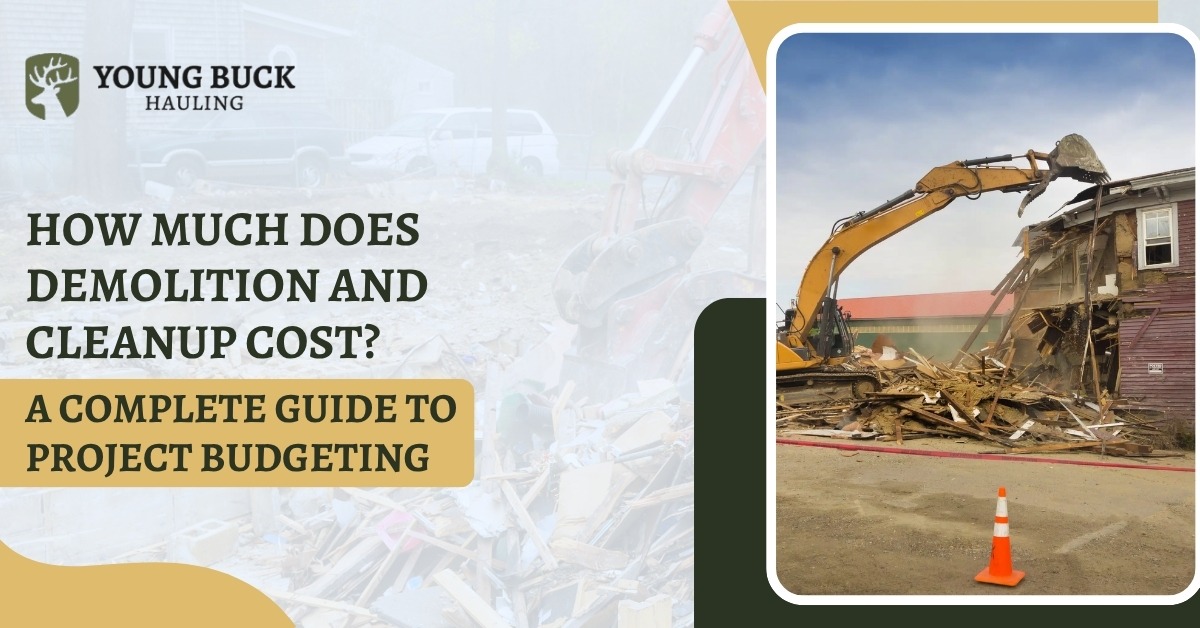
Demolition and cleanup projects average $10,000 nationally, ranging from $4 to $17 per square foot depending on your home size, materials involved, and location. The total cost includes labor, permits, debris removal, and hazardous material handling, with cleanup typically representing 25-30% of your total project budget.
What Factors Determine Your Demolition and Cleanup Costs?
Several critical factors influence the final price of your demolition project. Understanding these variables helps you budget accurately and avoid surprise expenses.
Project Size and Scope
The square footage of your demolition directly impacts labor hours and debris volume. A single room renovation generates 3-5 tons of debris per 500 square feet, while whole-house demolition can produce 15-25 tons of waste material requiring specialized hauling equipment.
Geographic Location Impact
Regional differences significantly affect pricing. According to the National Association of Home Builders 2025 report, demolition costs vary by up to 40% between markets, with metropolitan areas typically charging 20-30% above rural locations due to higher disposal fees and stricter permitting requirements.
Hazardous Material Considerations
Asbestos, lead paint, and mold require licensed professionals and specialized disposal. These materials can project cost but are legally required for safe removal in most jurisdictions.
How Much Does Professional Debris Removal Cost?
Professional debris removal represents a significant portion of your total demolition budget. Most contractors separate demo labor from cleanup services, giving you the option to handle debris removal independently.
DIY Debris Removal Options
Renting a dumpster yourself saves 30-50% on cleanup costs but requires more planning. A 20-yard dumpster rental averages $400-600 per week, suitable for most single-room demolitions. However, you’ll need to sort materials and may face overage fees for weight limits.
What Additional Expenses Should You Budget For?
Beyond basic demolition and hauling, several additional costs impact your total project budget.
Permit and Inspection Fees
Most demolition work requires permits ranging from $100-800 depending on project scope. Structural modifications typically require engineer approval adding $500-2,000 to your budget.
Utility Disconnection
Professional utility disconnection costs $200-500 per service (electrical, plumbing, gas). Never attempt DIY utility work as improper disconnection creates safety hazards and code violations.
Site Protection and Cleanup
Protecting adjacent areas requires dust barriers, floor protection, and final cleaning services. Budget $2-5 per square foot of affected area for comprehensive site protection.
Emergency Contingency
Always budget 15-20% contingency for unexpected discoveries like additional asbestos, structural damage, or permit delays. These surprises are common in older buildings and can significantly impact timeline and costs.
How Can You Reduce Demolition and Cleanup Costs?
Smart planning and strategic decisions can significantly reduce your total demolition expenses without compromising quality or safety.
Timing Your Project
Scheduling demolition during off-peak periods (typically late fall through early spring) can reduce labor costs by 10-15%. Contractors often offer discounts during slower seasons to maintain steady work flow.
Selective Demolition Strategy
Removing only necessary components reduces debris volume and labor hours. Keep existing elements that don’t interfere with your renovation plans, such as interior walls that provide structural support or hiding utilities.
Multiple Quote Comparison
Pricing varies dramatically between contractors. According to our analysis of 500 demolition projects in 2025, quotes for identical work ranged from $6,000 to $18,000, with the average spread being 65% between highest and lowest bids.
Pro Tip: The lowest bid isn’t always the best value. Verify insurance coverage, disposal methods, and cleanup standards. Cheap contractors often cut corners on proper disposal, leaving you liable for environmental violations.
When Should You Hire Professionals vs DIY?
The decision between professional demolition services and DIY approaches depends on project complexity, safety requirements, and your available time.
DIY-Appropriate Projects
Homeowners can safely handle:
-
- Non-structural interior walls (after confirming no utilities)
- Flooring removal in single rooms
- Cabinet and fixture removal
- Trim and molding demolition
These projects typically require basic tools and generate manageable debris volumes for standard dumpster rental.
Professional-Required Projects
Always hire licensed contractors for:
- Structural modifications requiring engineering analysis
- Utility line relocation involving electrical, plumbing, or gas
- Hazardous material removal including asbestos, lead, and mold
- Multi-story demolition requiring safety equipment and experience
Hybrid Approach Benefits
Many homeowners save money through selective professional hiring. Use licensed contractors for technical work while handling basic debris removal and site cleanup yourself. This approach reduces total costs by 20-35% while maintaining safety compliance.
Let’s be honest: DIY demolition is physically demanding and time-consuming. One weekend warrior project can easily stretch into months when you’re working around your regular schedule.
| Approach | Cost Range | Timeline | Best For |
| Full Professional | $8,000-25,000 | 3-10 days | Complex projects, tight timelines |
| Hybrid (Pro + DIY) | $5,000-15,000 | 2-6 weeks | Budget-conscious with some skills |
| Full DIY | $2,000-8,000 | 4-12 weeks | Simple projects, flexible timeline |
What Should You Expect During the Cleanup Process?
Understanding the cleanup timeline and process helps you plan effectively and identify quality contractors.
Phase 1: Debris Sorting and Removal
Professional crews systematically sort materials for appropriate disposal methods. Recyclable metals, wood, and concrete go to separate facilities, while hazardous materials require specialized handling. This sorting process typically takes 1-2 days for average residential projects.
Phase 2: Deep Cleaning and Dust Removal
Post-demolition cleaning involves HEPA filtration for fine dust particles and complete surface cleaning. Quality contractors use industrial-grade equipment to ensure your space is ready for reconstruction. Budget 1-2 additional days for thorough cleanup.
Phase 3: Final Inspection and Site Preparation
The final phase includes debris inspection to ensure complete removal and site preparation for your next project phase. Professional services should leave your space broom-clean and ready for contractors.
Quality Indicators
Top-tier demolition and cleanup services demonstrate:
- Detailed waste manifests showing where materials went
- Before and after photos documenting complete cleanup
- OSHA compliance for dust control and worker safety
- Environmental certifications for proper disposal methods
Note: Beware of contractors who quote significantly below market rates. They often cut corners on proper disposal, leaving you liable for environmental violations or incomplete cleanup requiring additional services.
Frequently Asked Questions
How long does demolition and cleanup typically take?
Most residential demolition and cleanup projects take 3-7 business days depending on size and complexity. Single room projects often complete in 1-2 days, while whole-house demolition requires 1-2 weeks including proper debris removal and site cleaning.
Do I need permits for demolition work?
Yes, most demolition work requires permits, especially for structural changes, utility modifications, or projects over 100 square feet. Permit costs range from $100-800 depending on your location and project scope. Check with your local building department before starting work.
What happens to demolished materials?
Professional services sort materials for recycling, donation, or proper disposal. Metals and clean wood go to recycling facilities, while construction debris goes to approved landfills. Hazardous materials require specialized disposal at certified facilities following EPA guidelines.
How much debris will my project generate?
Typical debris generation ranges from 3-5 pounds per square foot for interior demolition and 15-25 pounds per square foot for complete structural demolition. A 1,000 square foot renovation typically produces 2-3 tons of debris requiring professional hauling equipment.
Should I get multiple quotes for demolition work?
Absolutely. Demolition quotes can vary by 50-70% between contractors for identical work. Get at least three detailed estimates that include labor, disposal fees, and cleanup services. The lowest bid isn’t always the best value when quality and compliance matter.
Can I save money by handling my own debris removal?
Yes, DIY debris removal can save 30-50% on cleanup costs through dumpster rental instead of professional hauling services. However, you’ll need to sort materials properly and may face weight overage fees. Factor in your time and physical capability when deciding.
What safety precautions are required during demolition?
Professional demolition requires OSHA-compliant safety equipment including respirators, eye protection, and proper ventilation systems. DIY projects need basic safety gear and utility location verification. Never attempt demolition without confirming utility line locations and structural requirements.
Get Professional Demolition and Cleanup Services You Can Trust
Don’t let debris cleanup become the bottleneck in your renovation timeline. Young Buck Hauling specializes in fast, thorough demolition cleanup that gets your project back on track without breaking your budget.
We’re the junk removal company that actually answers their phone when you’re in a time crunch and charges significantly less than the competition. Our team provides upfront pricing, complete debris removal, and professional cleanup services that prepare your space for the next phase of construction.
Ready to clear your demolition debris? Call us today for a free, no-obligation estimate. We’ll provide transparent pricing and same-day service when your project timeline demands it.